Ol' Gator Drag Strip/Shreveport Dragway (Keithville)
ClosedClosed No longer racing, but some of the track is still there.
Also known as Old Gator Drag Strip
- A Top Fuel divisional race was decided by single runs because of a sinking track and slick surface
- Hosted an NHRA divisional meet on July 4-5, 1964, moved from Oklahoma City
- Raced
- 1964-70
- State
- Louisiana
- What's left
- The site was redeveloped, but the strip or its layout lives on in whatever replaced it.
- On the site today
- Drag Strip Lane, used by commercial businesses
- Raced on
- Built as a drag strip
- Last race
- possibly 1970
- Track
- about 1/4 mile, lengthened toward 4,000 feet in 1964; timed at 1,000 feet in 1967
- Surface
- Asphalt, with oiled dirt pits
- Location
- Five miles south of Shreveport, east of Highway 171, now Drag Strip Lane in the Staples area
- People
- Duaine Bamburg, builder
- R. I. Waldrip, builder
- Frank W. Matthews, owner (1965-)
- Jerry Longoria, manager (1966-)
- Sanction
- NHRA
- Elevation
- 167 ft (51 m)
- Coordinates
- 32.36680, -93.82029
This pin shares its exact coordinates with another strip in the source data, so it may be misplaced.
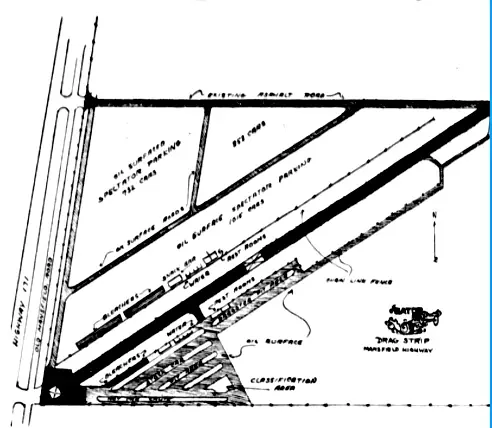
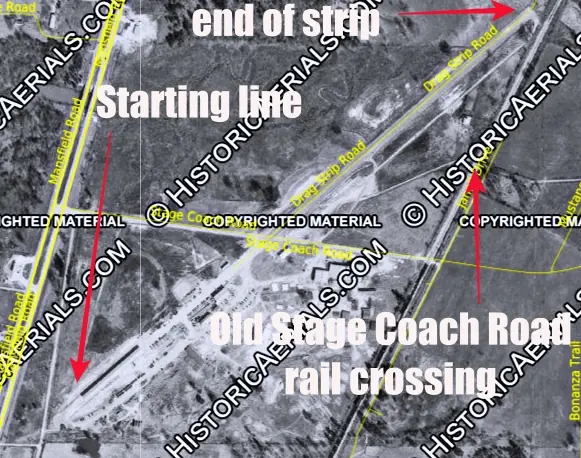
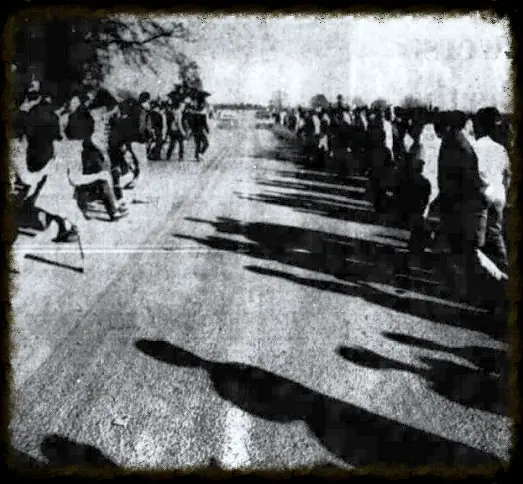
Duaine Bamburg, a California businessman, and R. I. Waldrip pooled their money to build a real drag strip while racing street-legal cars on Stage Coach Road in the meantime. That road course ran west to east from a start just east of Mansfield Road, and its shutdown crossed the railroad tracks. Bamburg’s Chevy-powered Model A roadster ran 12-second quarters at over 100 mph, too fast for the road, so the two laid out a strip that avoided the tracks. The Challengers car club, which helped run the Stage Coach races, offered to help build it. The new strip crossed the old road course near its midpoint, running southwest to northeast.
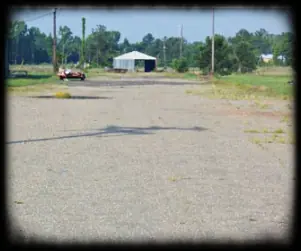
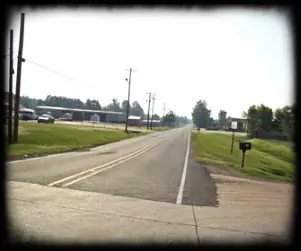
Announcer Dave McClelland said the strip is now a street called Drag Strip Lane, with the starting line about a quarter mile back from its intersection with Stage Coach Road, and several businesses use the property. An underground stream crossed the track a few hundred feet off the line. When the rollers packed the asphalt the surface sank and formed a ramp. Crews dug it out, filled it with outside dirt and repaved, and it sank again, though less. To save money the pits were oiled dirt, which cars tracked onto the strip in hot weather and made it slick. At one of the first events, in ‘63 or ‘64, Division 4 Director Dale Ham and the staff, including McClelland, had the Top Fuel cars make single runs using either lane without disqualification. Jerry Baltes had low ET and won, and McClelland believed it was the only divisional race decided by single runs. Repairs never worked well, and he said the track closed within a couple of years, a shame since it was well laid out with plenty of room.
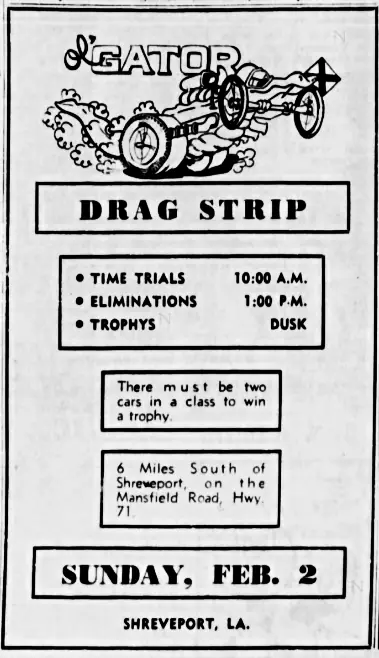
The strip got NHRA sanction soon after opening. One of the first races, on February 2, 1964, drew more than 3,000 spectators and almost 200 racers before timing clocks were installed, and Pat Lentz won Super Stock in a 1963 Dodge. Jerry Birdwell won top eliminator in his Chevy-powered dragster on March 22, 1964. In May 1964 crews worked to stretch the pavement to 4,000 feet for a two-day NHRA divisional race on July 4-5, moved from Jaycee Dragway in Oklahoma City because that strip was only 3,600 feet. By late June they were working 18-hour days, seven days a week, and skipped the June 21 race. The strip was formally renamed Shreveport Dragway for the meet, though everyone still called it Ol’ Gator. Wilie Redford won Top Fuel at 9.48 and 176.00 mph in the Carroll Brothers car.
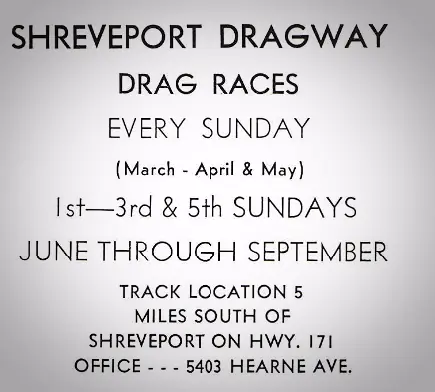
Frank W. Matthews bought the strip in 1965 for $300,000, with races on the first, third and fifth Sundays, and Jerry Longoria managed it from 1966. The 1967 NHRA guide listed races timed at 1,000 feet and put the strip five miles south of Shreveport on Highway 171. Its diagonal is now Drag Strip Lane, in the Staples area east of Highway 171. It may have closed in 1970, though that isn’t certain. In 1971 Shreveport Dragway apparently moved to the State Fairgrounds.
More in Louisiana
- Nothing left No longer racing, and nothing of the track remains. Babin Landing Strip (Prairieville) 1980s
- Closed No longer racing, but some of the track is still there. Baton Rouge Dragway/State Capital Dragway (Erwinville) 1969-2025
- Active Still racing today. Bob Harmon Raceway/Twin City Dragway (Monroe) 1965-present
- Nothing left No longer racing, and nothing of the track remains. Cenla Raceway (Forest Hill) 1969-ca. 1977
- Closed No longer racing, but some of the track is still there. Crowley Drag Strip (Estherwood) 1964-67
- Closed No longer racing, but some of the track is still there. D'Arbonne Dragway (Farmerville) 1965-66
- Closed No longer racing, but some of the track is still there. De Soto Airport (Mansfield) 1954-62
- Closed No longer racing, but some of the track is still there. Esler Field (Pineville) 1956-57
- Closed No longer racing, but some of the track is still there. Estherwood Airport 1955, 1957
- Closed No longer racing, but some of the track is still there. Hammond Airport 1957-64
- Closed No longer racing, but some of the track is still there. Haynesville Dragway 1969-79
- Closed No longer racing, but some of the track is still there. Hilltop Raceway (Haughton) 1964-67